
About Us
Who We Are
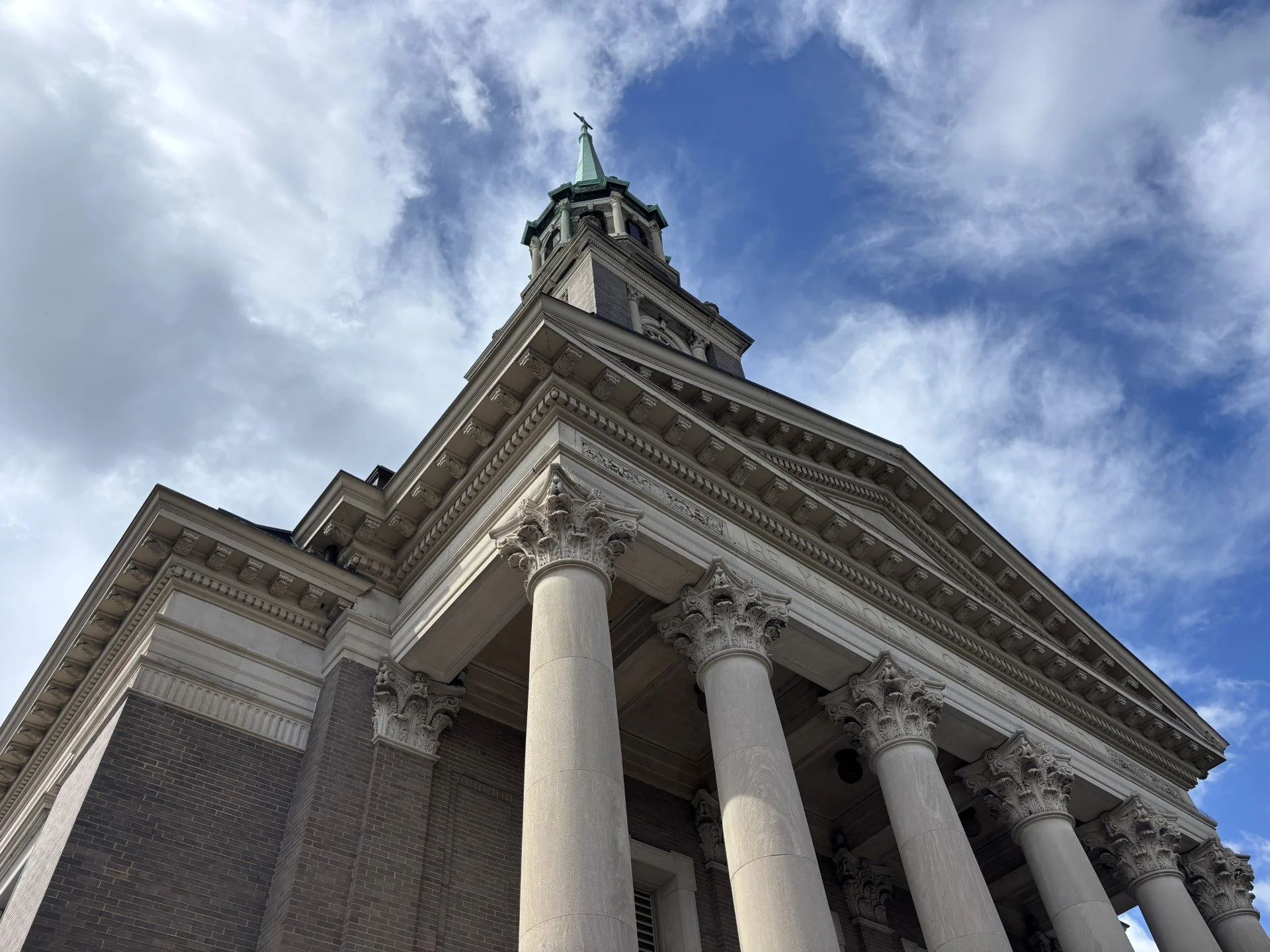
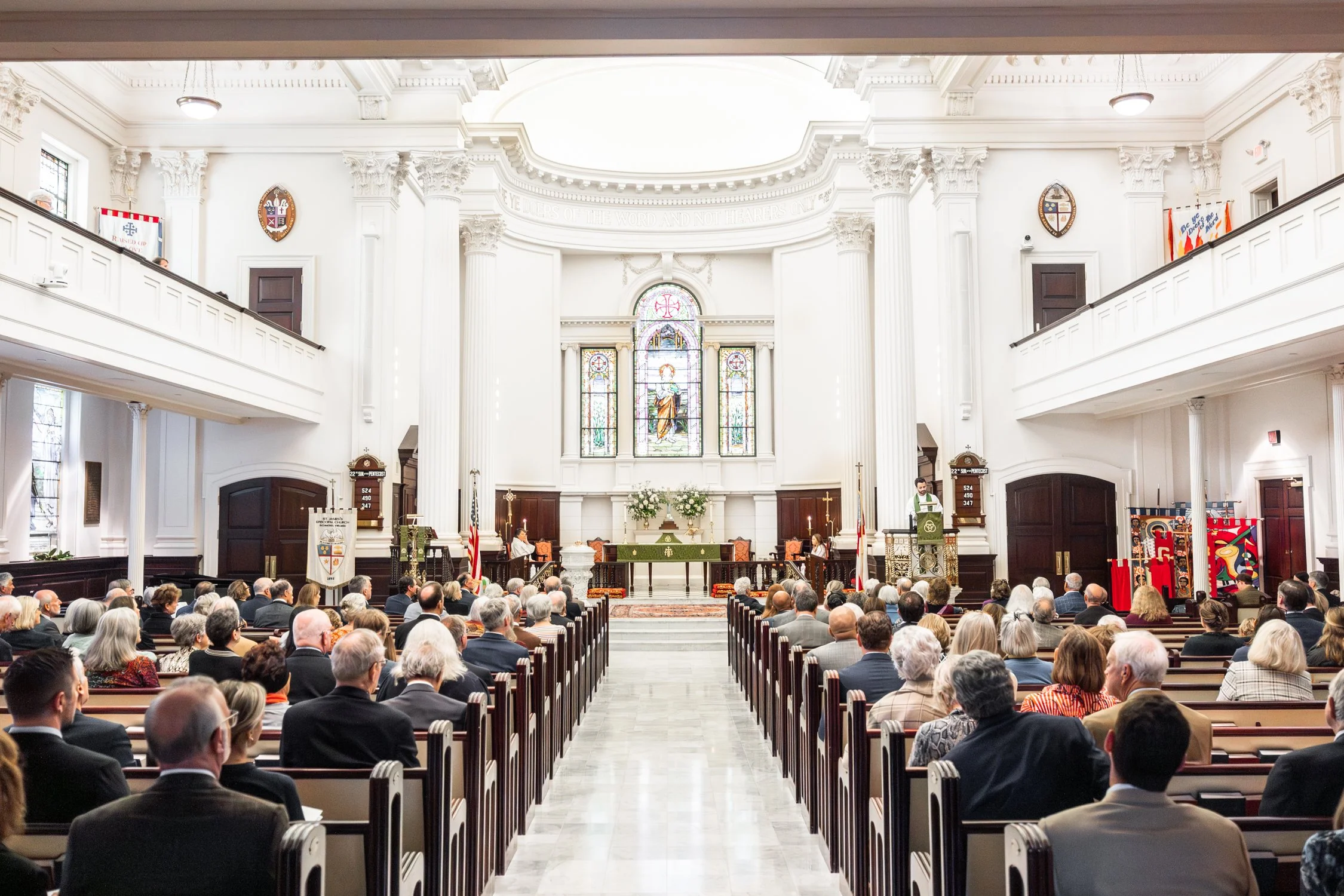
At St. James’s Episcopal Church, we live into the scripture from the first chapter of James that is inscribed above our altar, “Be ye doers of the word, and not hearers only.”
St. James’s is the third oldest Episcopal congregation in Richmond, Virginia, and was founded in 1835. In September of 2026, The Rev. Beth Franklin joined us as our 15th Rector, and the first female rector in our parish’s history. You can learn more about Beth and our entire team through the link below.
Be Ye Doers
FAITHFUL
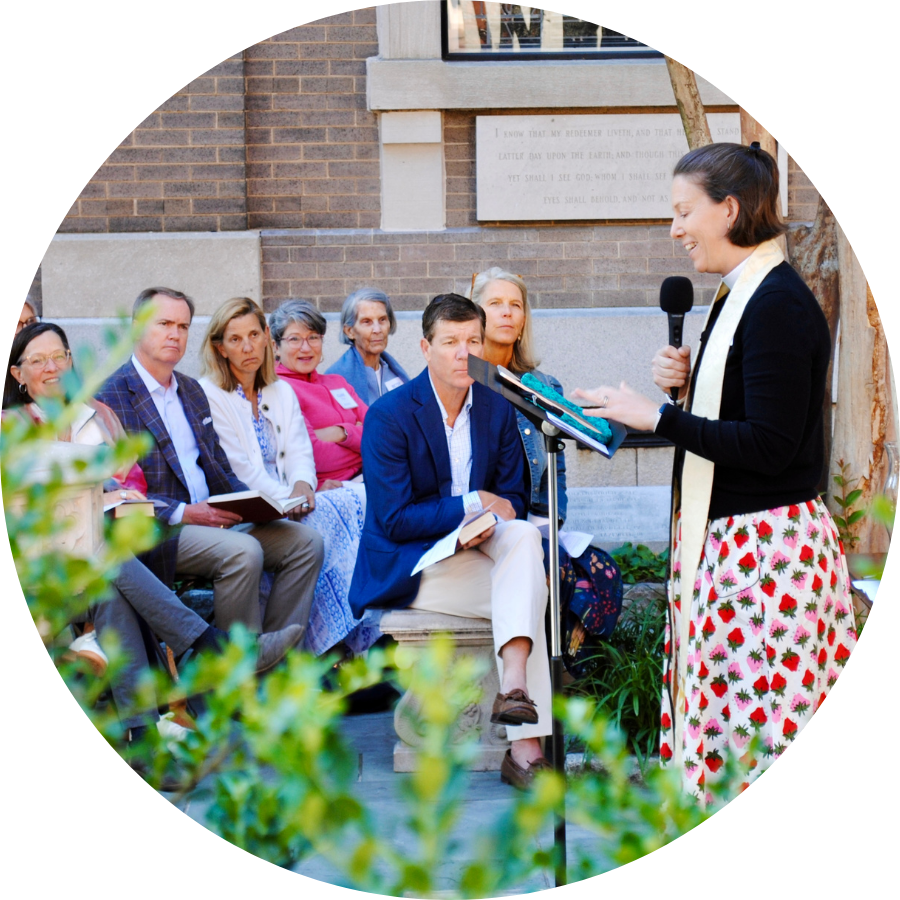
We commit to follow Jesus in everything we do.
Being with God
COMMUNITY
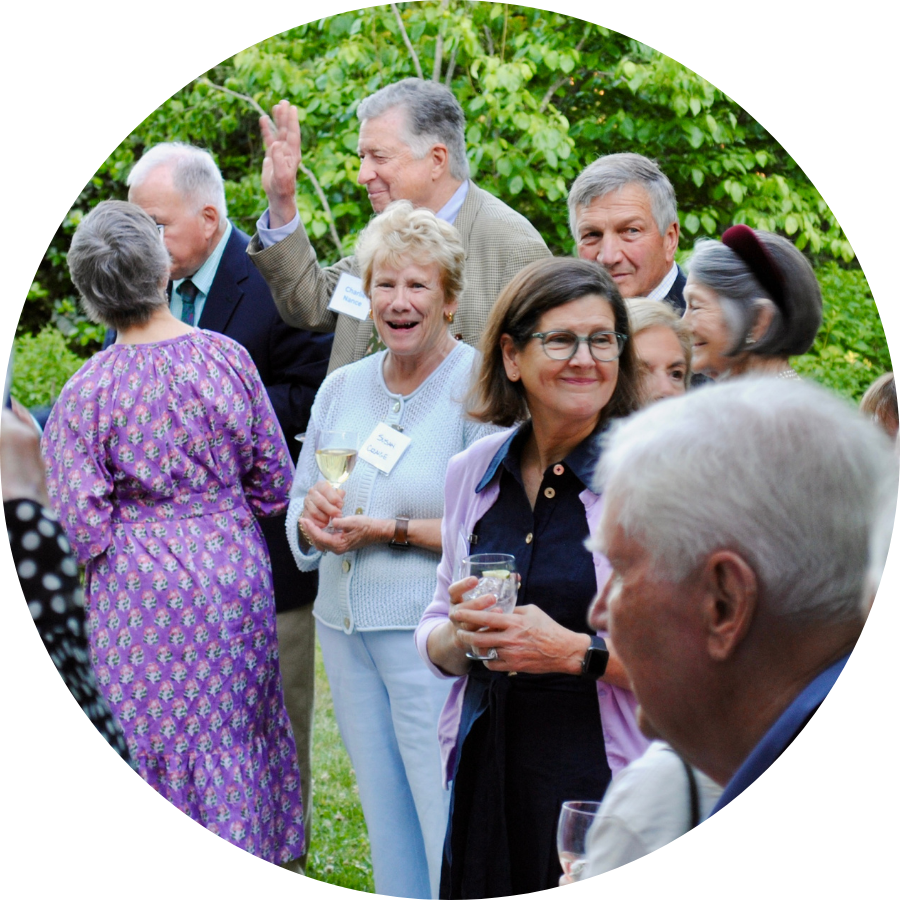
We commit to celebrate the gift of living together in Christian community.
Being with One Another
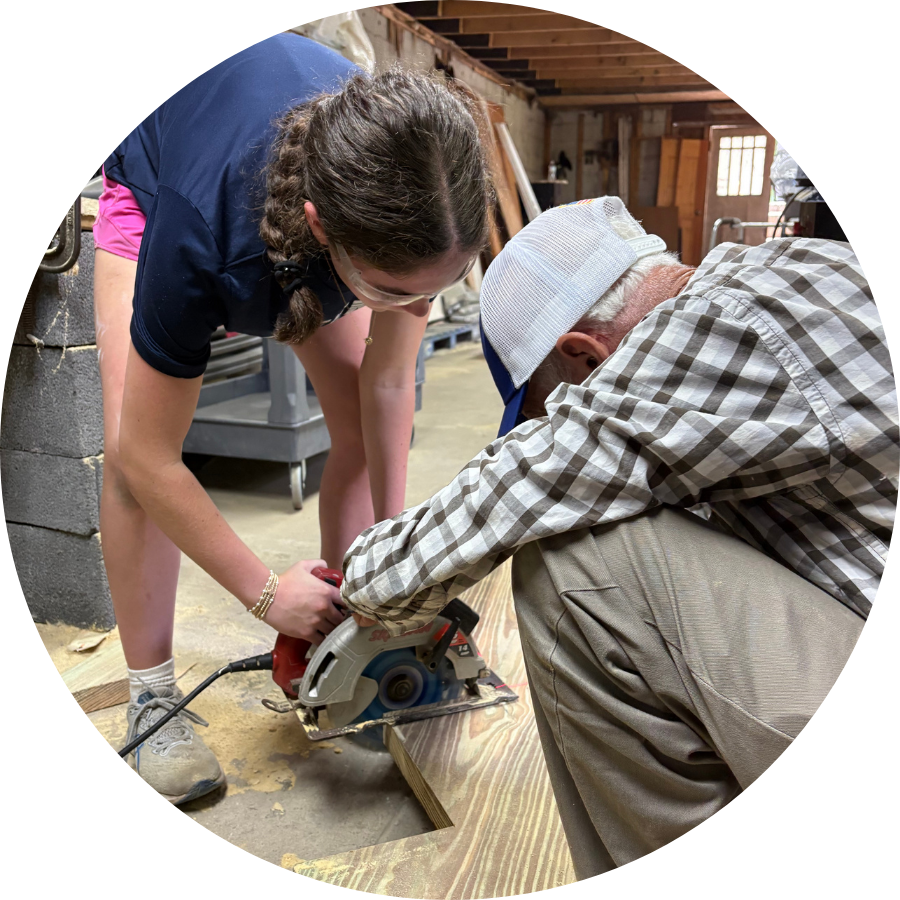
GENEROSITY
We commit to give our time, our money, and to grow in our generosity.
Being with the World
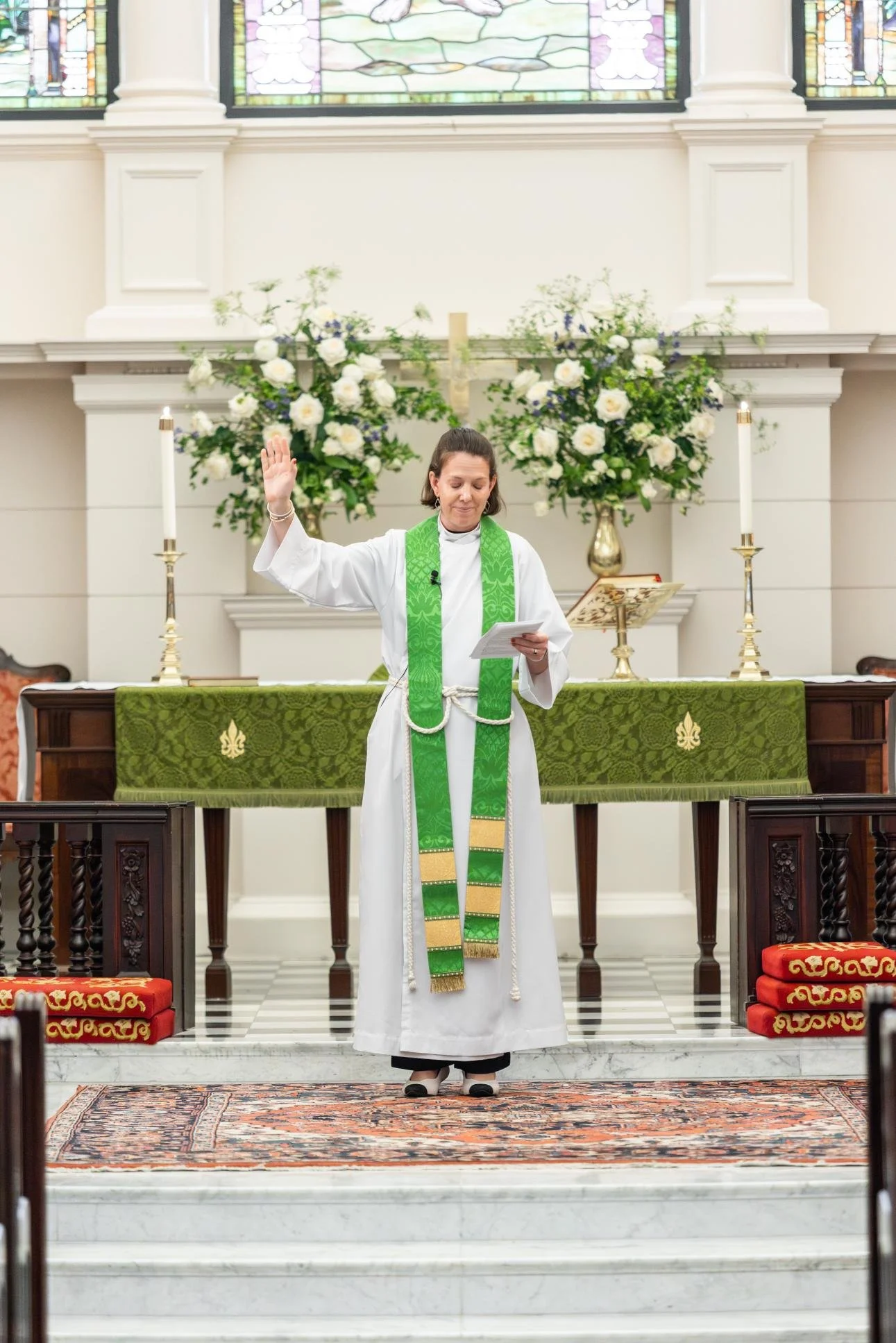
As Episcopalians
St. James’s Episcopal Church is part of the Diocese of Virginia, one of the oldest and largest dioceses in the Episcopal Church. Our diocese includes 68,000 baptized members in 173 congregations in central, northern, and northwestern Virginia. It is one of three Episcopal dioceses in the Commonwealth of Virginia, the others being the Diocese of Southwestern Virginia (based in Roanoke) and the Diocese of Southern Virginia (based in Norfolk).
The Episcopal Church, including the congregation of St. James’s, is welcoming, curious, and open to the future, which can feel to some people like our beliefs are fluid. A more accurate description is that we have a very clear and firm set of foundational beliefs, but we also respect new ideas that are extensions of those long-held beliefs.
The Catechism found in the back of the Book of Common Prayer (pp. 845-862) helps teach the foundational truths of the Christian faith.
“The Creeds are statements of our basic beliefs about God” (Book of Common Prayer, p. 851).
The Book of Common Prayer is a treasure chest full of devotional and teaching resources for individuals and congregations, but it is also the primary symbol of our unity. We, who are many and diverse, come together in Christ through our worship, our common prayer.